

 Facebook
 X
X
 Pinterest
 Copy Link
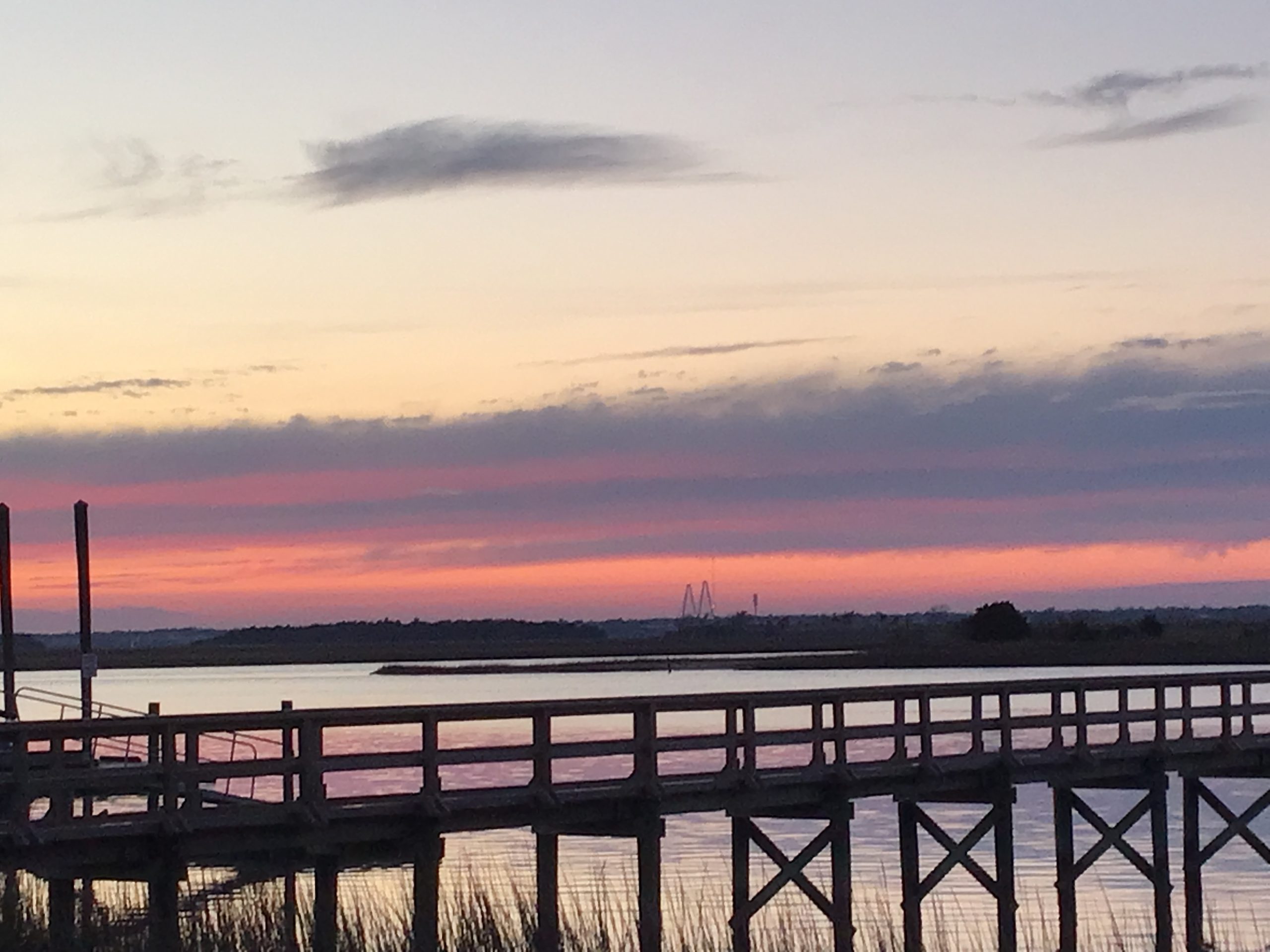
Buying land in Charleston offers exciting opportunities, whether for a custom home, investment, or future build. However, the region’s coastal geography, zoning regulations, and environmental considerations make the process very different from purchasing an existing home.
Below are key considerations before making an offer on land in Charleston.
🌿 1. Understand the Land Itself (Not All Lots Are Equal)
Before purchasing land, ensure you understand the following:
- Soil quality
- Drainage patterns
- Tree coverage and protected trees
- Access to water and sewer
- Whether the lot is cleared or heavily wooded
Two lots may look similar online, but their buildability and preparation costs can vary significantly. Conducting a soil test or a site visit with a builder can help you avoid unexpected expenses.
🌊 2. Know the Flood Zone & Elevation Requirements
Charleston’s coastal location makes flood zones a critical consideration.
Key points:
- Flood zones (X, AE, VE) determine risk and insurance requirements.
- Elevated home designs may be required in certain zones.
- Lots near marshes, creeks, or rivers may require special foundations.
- Even in low-risk zones, stormwater drainage can affect the build.
A flood zone does not mean you shouldn’t buy, but it does affect costs, insurance, and building plans.
🏗 3. Factor In Site Preparation Costs
Site prep can include:
- Clearing trees
- Bringing in fill dirt
- Grading
- Adding a driveway
- Connecting utilities
- Installing drainage or culverts
Site preparation costs can range from $5,000 to over $75,000, depending on the lot.
Waterfront and marshfront lots generally require more preparation than interior parcels.
Waterfront and marshfront lots generally require more preparation than interior parcels.
📜 4. Check Zoning, Restrictions & Setbacks
Before you buy, review:
- Zoning designation
- Minimum setbacks (front, rear, side)
- Height restrictions
- HOA architectural guidelines
- Neighborhood covenants
- Whether short-term rentals are allowed
- Whether subdividing is an option
Some areas, especially planned communities and island neighborhoods, enforce strict guidelines to maintain consistency.
If you intend to build a specific style of home or require flexibility, these details are important.
🚧 5. Understand Utility Access
Not all land in Charleston has immediate access to:
- Public water
- Sewer
- Electricity
- Natural gas
If public utilities are not available:
- Septic approval is required.
- Well installation may be needed.
- Lot size and soil conditions determine septic viability.
Utility availability is a major factor influencing build feasibility and overall cost.
📝 6. Conduct Due Diligence Before Closing
Buyers should complete the following checklist:
✔ Survey
Confirms lot lines, easements, and encroachments.
Confirms lot lines, easements, and encroachments.
✔ Elevation certificate
Useful for planning, flood insurance, and builder bids.
Useful for planning, flood insurance, and builder bids.
✔ Wetlands delineation (if applicable)
Some lots have protected wetlands that limit where you can build.
Some lots have protected wetlands that limit where you can build.
✔ Soil test
Ensures the ground can support your intended foundation.
Ensures the ground can support your intended foundation.
✔ Architectural review (if required)
Homeowners’ Associations may require plan approval before construction begins.
Homeowners’ Associations may require plan approval before construction begins.
📐 7. Work With a Builder Early
Even if you do not plan to build immediately, consulting a builder during due diligence can help you understand:
- Approximate build costs
- Best home footprints for the lot
- Required elevation or foundation type
- Site challenges you may not notice
- How long will it take to build your custom home?
A builder can quickly determine whether a lot suits your plans or if another property would be more appropriate.
🏡 8. Understand Your Total Budget
Your land cost is only one component. Your budget should also include:
- Architecture & engineering fees
- Permits
- Construction
- Landscaping and outdoor structures
- Contingency funds
If you are building a custom home in Charleston, thorough planning helps prevent future cost overruns.
📌 9. Think About Resale Value Now
Even if you are building your “forever home,” resale value remains important.
Lots with stronger long-term demand typically offer:
- High elevation
- Good drainage
- Larger footprints
- Privacy
- Proximity to water
- Access to amenities
- Strong school districts
Location remains the most significant factor in Lowcountry real estate.
🏁 Final Takeaway
Buying land in Charleston can be an excellent investment and an opportunity to build a home tailored to your lifestyle, but the process is more complex than purchasing an existing home.
By understanding the land, regulations, and true costs of preparation and construction, you will be well-positioned to make confident, informed decisions.
Ready to Explore Land in Charleston?
Whether you are seeking a marshfront homesite, an interior lot in a planned community, or acreage for a custom build, I am here to help you evaluate your options and understand what is required to bring your vision to life.
Contact me for a personalized land-buying strategy. Visit luxuryhomeandland.com
