

 Facebook
 X
X
 Pinterest
 Copy Link
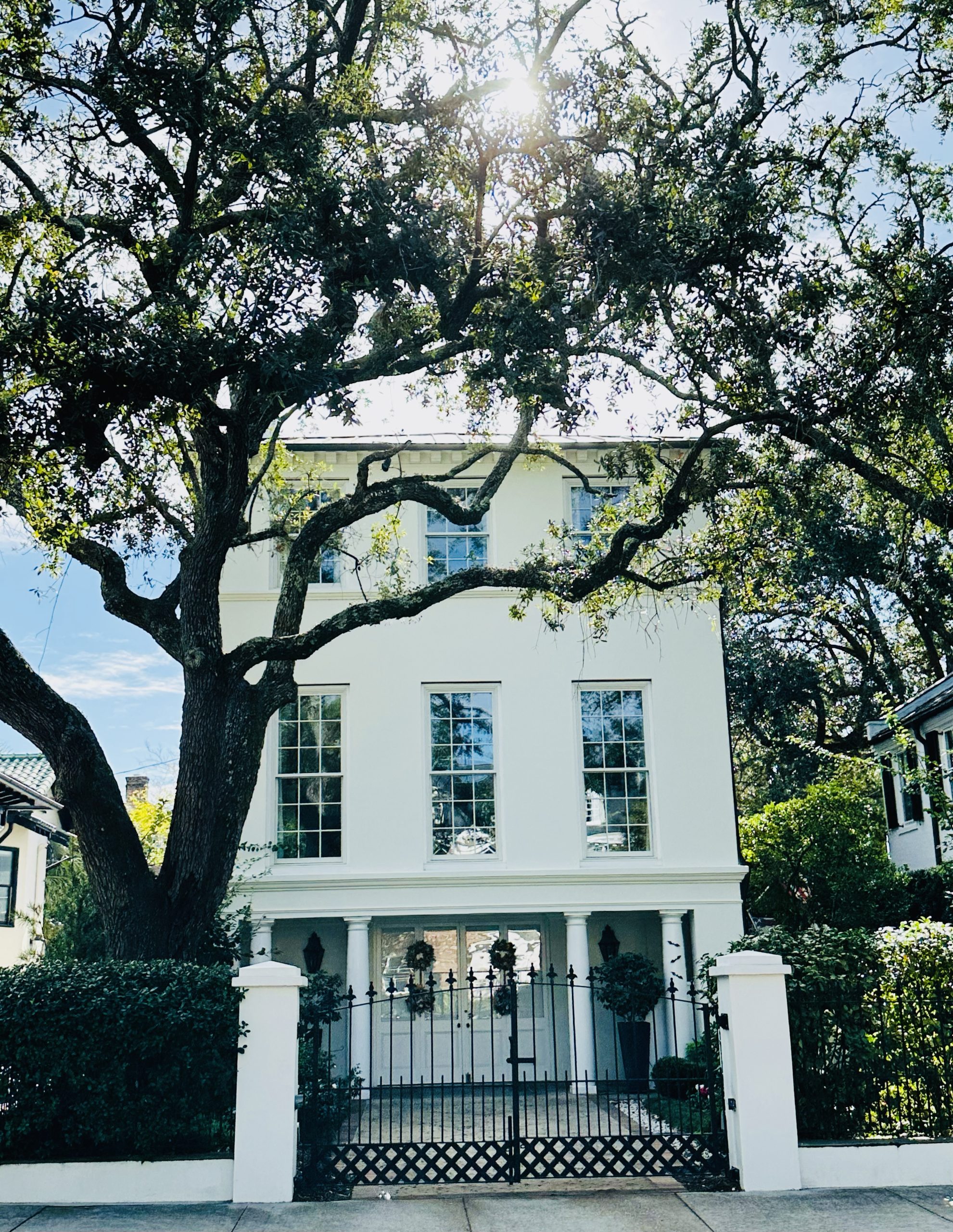
If you’re considering buying a property in Charleston or turning your current home into a short-term rental, this is one of the most important questions to ask – and one of the most misunderstood.
Charleston has some of the strictest short-term rental (STR) regulations in South Carolina, and the rules vary significantly depending on where the property is located, how it’s zoned, and whether it’s your primary residence.
This guide will help you understand if you can legally use your Charleston home as a short-term rental.
🌴 First: Understand That STR Rules Are Based on Location
Charleston is not one unified market when it comes to STR laws. Regulations differ depending on:
- Whether the property is inside the City of Charleston
- Whether it’s in Charleston County, but outside city limits
- The specific zoning district
- Whether it’s in a planned community or an HOA
- Whether it’s downtown, suburban, on an island, or waterfront
This means two homes just a few streets apart might have very different rules.
🏡 Short-Term Rentals Inside the City of Charleston
This includes areas such as:
- Downtown Charleston
- James Island (certain parts)
- West Ashley (city side)
- Daniel Island
- Johns Island
The City of Charleston has strict rules for STRs. Generally, the city allows:
✔ Owner-Occupied Short-Term Rentals (Most Common)
These properties must be:
- Your primary residence, and
- You must live on the property while guests stay there.
This includes “room rentals” or attached units where the homeowner remains on site.
✔ Some Accessory Dwelling Units (ADUs)
In some cases, you can rent out a detached ADU short-term, but only if the main home is owner-occupied and has the right zoning.
✘ Non-Owner-Occupied STRs
In most parts of the city, especially downtown, you cannot legally run an Airbnb or VRBO unless you live on the property full-time.
There are a few exceptions for properties grandfathered in, but new applications are very limited.
📍 Downtown Charleston STR Restrictions Are the Tightest
Downtown’s historic district zoning, often called “Category I, II, III” STR districts, allows only a small number of short-term rentals, and many require the owner to live there.
If you are purchasing downtown with the hope of running a short-term rental, you should assume:
👉 It is not allowed unless you confirm with zoning, and the property already has legal permission.
🌊 Short-Term Rentals Outside the City (Charleston County)
If your property is in unincorporated Charleston County, the rules may be more flexible, but they are still regulated.
Generally:
- Non-owner-occupied STRs may be permissible with a permit.
- Zoning districts matter.
- There are occupancy and parking limits.
Even if county zoning allows STRs, HOAs can override that permission and ban them completely.
🏘 Neighborhoods & HOAs Often Decide the Final Answer
Even when the city or county allows STRs, many neighborhoods in Charleston do not.
HOAs commonly prohibit or restrict short-term rentals in areas like:
- Daniel Island
- Mount Pleasant subdivisions
- Many Johns Island neighborhoods
- Master-planned communities and condo buildings
Before you buy a home to use as an STR, always ask for:
✔ Community covenants
✔ Architectural guidelines
✔ HOA bylaws
✔ Any rental restriction addendums
✔ Architectural guidelines
✔ HOA bylaws
✔ Any rental restriction addendums
💰 What About Isle of Palms, Sullivan’s Island & Folly Beach?
These areas operate as their own municipalities and have their own STR regulations, separate from the City of Charleston.
In general:
🏖 Isle of Palms
- STRs are allowed in many locations.
- Requires a short-term rental license
- Limits on occupancy and parking
🌊 Folly Beach
- Operates under a permit system
- Often caps the number of STR licenses.
- Rules vary by zoning district.
🌴 Sullivan’s Island
- One of the strictest STR environments
- STRs are heavily limited and highly regulated.
If you are looking at the islands for income-producing properties, check the current rules. These regulations change more often than most buyers realize.
🆘 Important: Charleston Enforces STR Violations
Charleston actively investigates:
- Illegal Airbnb listings
- Unlicensed VRBO rentals
- Rentals operating in restricted zones
Penalties can include:
- Fines
- Being barred from future STR licensing
- Forced shutdown of all bookings
This is not a market where you can try it and see what happens. Following the rules is essential.
✔ Who Can Successfully Operate STRs in Charleston?
You are most likely to be approved if:
- The home is owner-occupied, and
- It is in a city zone that allows home-based STRs, and
- Your HOA does not restrict rentals, and
- The property meets safety and parking requirements.
Non-owner-occupied STRs are the exception, not the standard.
🏁 Final Takeaway
Can you use your Charleston home as a short-term rental?
Sometimes, but it depends a lot on location, zoning, and HOA rules.
Here’s the simplest breakdown:
- City of Charleston: Mostly owner-occupied STRs only
- Charleston County (unincorporated): More flexible, but requires permits
- Beach towns: Allowed, but heavily regulated
- HOAs: Often restrict STRs even if the city/county allows them
Short-term rental laws in Charleston change often, so it’s important to do your homework.
Thinking About Buying or Using a Property as a Short-Term Rental?
If you are looking for STR-friendly properties in Charleston or want to know if your current home qualifies, I can help you:
✔ Verify zoning
✔ Review HOA restrictions
✔ Identify STR-approved zones
✔ Find properties that already have legal STR status
✔ Review HOA restrictions
✔ Identify STR-approved zones
✔ Find properties that already have legal STR status
Reach out for a customized list of STR-friendly homes and neighborhoods. Visit luxuryhomeandland.com
