Insurance February 18, 2026

Do I Need Flood Insurance in Charleston, SC?

Whether you are buying, selling, or already own a home in Charleston, this is a critical question to consider.
Charleston is a coastal city built on low-lying land and surrounded by rivers, marshes, and tidal creeks. Flood risk is a significant factor, but the need for insurance varies by property.
Below is essential information for homeowners and buyers.

🌊 Why Flooding Is a Real Consideration in Charleston

Charleston experiences several types of flooding:
  • Tidal flooding (King Tides) — especially downtown
  • Heavy rainfall flooding
  • Storm surge during hurricanes
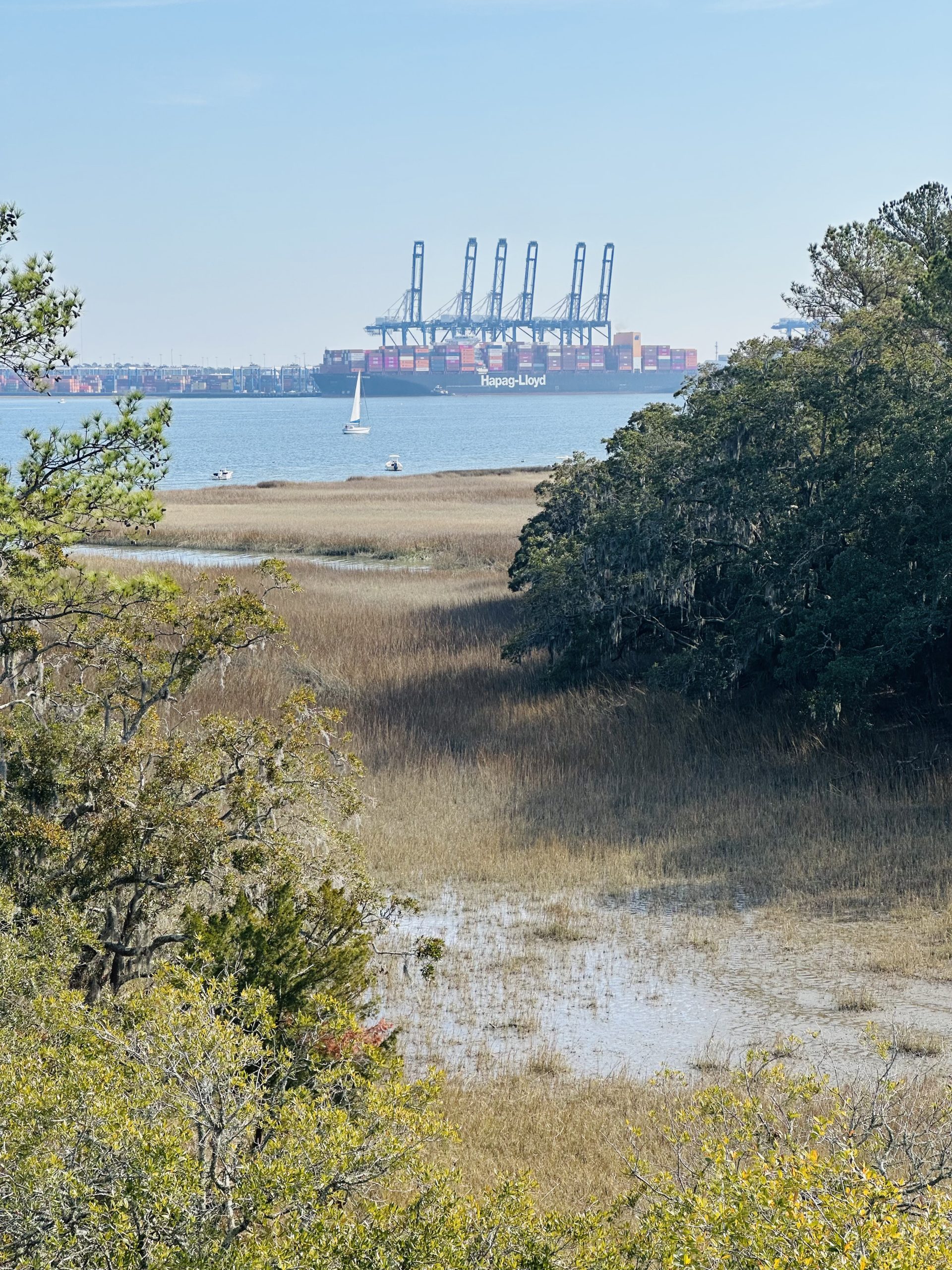
  • Flooding near marshes and tidal creeks
Hurricane season lasts from June through November. Although major storms do not occur every year, planning for insurance is an important aspect of responsible homeownership in Charleston.

📍 It Depends on the Flood Zone

The need for flood insurance typically depends on the property’s FEMA flood zone designation.
Flood zones are determined by the Federal Emergency Management Agency (FEMA) and are shown on Flood Insurance Rate Maps (FIRMs).
Common Charleston flood zones include:
  • Zone X (Low to Moderate Risk)
  • Zone AE (High Risk – Base Flood Elevation established)
  • Zone VE (Coastal High Hazard – wave action risk)

If You Have a Mortgage:

If your home is in a high-risk zone (AE or VE) and you have a federally backed mortgage, your lender will typically require flood insurance.

If You Own the Home Outright:

Flood insurance may not be required, but it is often advisable.

🏘 Not All Charleston Neighborhoods Have the Same Risk

Flood risk varies significantly based on elevation and proximity to water.
For example:
  • Some elevated areas of Mount Pleasant and Daniel Island sit in lower-risk zones.
  • Certain parts of downtown Charleston regularly experience tidal flooding.
  • Marsh-front and deep-water homes often require flood coverage.
  • Newer construction communities may have improved drainage systems.
Homes located only a few streets apart can have significantly different insurance requirements.

💰 How Much Does Flood Insurance Cost in Charleston?

Flood insurance pricing depends on:
  • Flood zone
  • Elevation certificate details
  • Foundation type (raised vs slab)
  • Year built
  • Distance from water
Premiums may range from a few hundred dollars per year in lower-risk zones to several thousand dollars annually in high-risk coastal areas.
Policies are commonly issued through:
  • The National Flood Insurance Program (NFIP)
  • Private flood insurance providers
FEMA administers the NFIP, while private carriers may offer alternative coverage options depending on the property.

🏗 What About New Construction?

Many newer Charleston homes are built:
  • Elevated above the base flood elevation
  • With raised foundations
  • With improved drainage systems
In some cases, these features can significantly reduce flood insurance costs, even in high-risk zones.
Elevation is often more important than proximity to water.

⚖️ Should You Carry Flood Insurance Even If It’s Not Required?

Many homeowners in Zone X (lower risk) still choose to carry coverage because:
  • A large share of flood claims nationwide comes from moderate- to low-risk zones.
  • Charleston’s infrastructure and tidal patterns create localized flooding.
  • Standard homeowner’s insurance does not cover flood damage.
If your property is within walking distance of a marsh, creek, or tidal water, it is important to carefully evaluate your coverage options.

🧭 What Buyers Should Do Before Making an Offer

If you’re buying in Charleston:
✔ Confirm the flood zone early
✔ Ask for an elevation certificate (if available)
✔ Get an insurance quote before the end of your due diligence period
✔ Understand whether the current policy is transferable
Flood insurance can affect affordability and long-term budgeting, so it should be included in your initial analysis rather than considered later.

🏁 Final Answer: Do You Need Flood Insurance in Charleston?

You may be required to carry flood insurance, depending on your flood zone and lender requirements.
Even if it is not required, flood insurance is often worth serious consideration due to Charleston’s coastal geography.
The appropriate decision depends on several factors:
  • The specific property
  • Its elevation
  • Its flood zone
  • Your financial comfort level

If you are buying or selling in Charleston and would like to understand how flood insurance affects your property, I am available to review the details with you and assist in making an informed decision.
Flood risk is manageable with clear information and a thoughtful strategy.
Sell February 18, 2026

Is It a Good Time to Sell Your House in Charleston, South Carolina?

If you are considering selling your home in Charleston—whether downtown, in Mount Pleasant, on Daniel Island, or elsewhere in the Lowcountry—one of the first questions is: “Is now a good time to sell?”
There is no simple yes-or-no answer. Instead, consider the following:
“It depends on your goals, your timeline, and your local market dynamics.”
Below, we outline the key factors affecting Charleston home sellers today, including pricing, demand, buyer behavior, timing, and strategy.

📈 What’s Happening in the Charleston Market Right Now

Charleston remains one of the most desirable real estate markets in the Southeast. Strong buyer interest, coastal appeal, and limited inventory in key areas keep homes selling, especially in price ranges with low supply.
However, the market is now more balanced than during the peak years. This means:
  • Homes are still selling — but not always instantly.
  • Buyers have more choices than they did a year or two ago.
  • Negotiation opportunities exist for both buyers and sellers.
Rather than a one-size-fits-all approach, the key question is:
Are the current conditions right for you and your home?

🏡 Demand Still Matters — But It Varies by Neighborhood

Charleston’s market varies by location, price range, and property type:

🔹 High Demand Areas

  • Downtown Charleston
  • Mount Pleasant
  • Kiawah & Seabrook
  • Islands with water access or desirable amenities
Properties in these areas attract attention quickly, especially when well-priced and well-presented.

🔹 More Competitive Segments

  • Move-in-ready homes in the mid-range
  • Single-family homes near schools and conveniences
  • Land and custom-built sites
These properties still sell, but today’s buyers are more selective and value-focused. Effective presentation and pricing are essential.

🔹 Luxury & Distinctive Properties

Luxury homes and unique estates may take longer to sell, but with strategic pricing and marketing, they can still attract premium offers from a focused pool of serious buyers.

💰 Pricing: The Key to a Successful Sale

One constant, regardless of market conditions, is this:
You can’t control the market, but you can control your pricing strategy.
Overpricing rarely produces better results. In today’s Charleston market:
  • Pricing too high can extend time-to-market.
  • Pricing right attracts serious buyers quickly.
  • Strategic pricing can inspire multiple offers.
Buyers are more informed, carefully comparing homes, days on market, and value. Pricing your home to reflect actual buyer demand is your best advantage.

🕓 Timing: When You List Matters

Seasonality continues to influence the Charleston market:
  • Spring is traditionally a strong season for listings, with active buyers, mild weather, and moves planned around school calendars.
  • Fall can also be an excellent time, as cooler weather and motivated buyers are common.
  • Winter and holiday months are quieter, though serious buyers remain active year-round.
Instead of waiting for a “perfect” market, the ideal time to sell is when:
✔ Your home is ready
✔ Your timing aligns with your personal goals
✔ You have a trusted strategy in place

🧰 Presentation & Preparation

How your home presents, both in person and online, is more important than ever.
Buyers today expect:
  • Clean, clutter-free spaces
  • Updated kitchens and baths
  • Neutral styling
  • Professional photography
  • Virtual tour options
Well-prepared homes often sell faster and at higher prices. If you are unsure where to start, a pre-listing consultation can help identify improvements that add value.

📊 Real Seller Questions to Ask

Before listing, consider these:
  • What is the current demand in my neighborhood?
  • How long do homes similar to mine stay on the market?
  • What price do buyers currently view as fair?
  • What inspection issues commonly come up in this area?
  • What costs should I expect (closing costs, commissions, repairs)?
These questions help shape your selling strategy and timeline, and they help you avoid surprises during negotiations.

🎯 So… Is It a Good Time to Sell?

Yes, if you are prepared, have priced your home correctly, and are using a local strategy that aligns with your goals.
The current Charleston market offers sellers the following:

📌 Pros

✔ Demand remains solid in key areas
✔ Buyers are still actively searching
✔ Inventory is balanced and manageable
✔ Well-priced homes stand out

📌 Challenges

⚠ Buyers are more discerning than during previous peak years
⚠ Homes requiring updates may take longer to sell
⚠ Strategic pricing remains essential

🏁 Final Thought

The best time to sell is when your personal goals align with a well-planned strategy, rather than a specific calendar date.
Charleston’s market is active and dynamic, offering significant opportunities for prepared sellers. With the right pricing, presentation, and local expertise, you can position your home to attract strong offers and confident buyers.

Ready to Explore Your Selling Options?

If you are considering selling your Charleston home, now or in the future, I am happy to provide a complimentary market analysis and explain current buyer activity in your neighborhood.
Contact me for a tailored selling plan that aligns with your goals and timeline.
Buy February 18, 2026

Is Now a Good Time to Buy a House in Charleston, South Carolina?

Whether you are considering your first home, a second home, a luxury property, or land in Charleston, asking this question is a wise first step.
The answer depends on your goals and current market conditions.
Below, we outline the key factors for Charleston home buyers to help you determine if now is the right time to purchase.

🏡 Charleston’s Market Snapshot

Charleston’s real estate market is influenced by:
  • Strong demand from relocation buyers
  • Limited inventory in desirable neighborhoods
  • Continued interest from second-home and luxury buyers
  • Coastal lifestyle appeal and long-term value trends
This combination keeps the market active, but it is less frenzied than in previous years. Buyers now have more time to explore options, compare neighborhoods, and negotiate effectively.
So, is now a good time to buy?
It can be, especially if you approach the process with clear goals and accurate information.

📈 Interest Rates & Affordability

Interest rates directly impact your monthly housing cost.
When rates rise, your buying power decreases so that you may qualify for a less expensive home for the same monthly payment. When rates fall, your buying power increases.
Recent mortgage rate fluctuations have created opportunities for buyers who are prepared, pre-qualified, and ready to act.
Here’s what that means:
  • If rates move down, buyers who lock in early benefit.
  • If rates remain steady or increase, buying sooner may help protect your purchasing power.
  • Current rates remain reasonable compared to long-term averages.
Your financing strategy is as important as your property selection.

📊 Inventory: What’s Available

Charleston still has more demand than supply in core price ranges and popular areas like:
  • Downtown Charleston
  • Mount Pleasant
  • Daniel Island
  • Kiawah/Seabrook
  • Isle of Palms & Sullivan’s Island
However, inventory is gradually improving from record-low levels seen in recent years. This provides more options without significantly reducing competition.
If you’re looking for:
  • Land or custom home sites, competition is steady.
  • For move-in-ready homes, expect multiple showings and strong interest.
  • Luxury homes, selective buyers may find opportunities for luxury homes without bidding wars.

📍 Why Location Matters Now

Charleston is not a single market; it consists of several distinct areas.
Some neighborhoods have stabilized:
  • Established, walkable areas with strong demand
  • Suburban communities with room to grow
  • Emerging areas where value trends are developing
Other segments —especially waterfront homes, historic properties, and premium land sites — tend to move quickly. “Good timing” partly depends on where you want to buy.

👩‍💼 Buyer Types & Timing

🔹 First-Time Buyers

Many first-time buyers are finding success by:
  • Getting pre-qualified before looking
  • Focusing on neighborhoods with value potential
  • Considering homes with remodeling opportunities
If you are prepared and flexible, now may be a favorable time to enter the market.

🔹 Relocation Buyers

For people moving from out of state:
  • Charleston’s quality of life remains a key draw.
  • Remote work options continue to make relocation appealing.
  • Purchasing a home now can help protect against future price increases.

🔹 Second-Home & Luxury Buyers

Luxury and second-home buyers often:
  • Prioritize lifestyle over timing.
  • Seek unique features (water views, privacy, design)
  • Value stable markets where pricing isn’t erratic
For this group, buyer confidence and finding the right property often matter more than market timing.

💡 Smart Strategies If You’re Considering Buying Now

If you are considering a purchase, these practical steps can help regardless of market timing:
Get pre-approved before touring homes
This provides clarity and strengthens your position.
Define your priorities
Consider your price range, neighborhood atmosphere, schools, lifestyle, and resale potential.
Understand local trends
Some areas are experiencing longer days on market, giving buyers more time to consider options. Others remain highly competitive.
Evaluate total cost
Insurance, flood zones, HOA fees, taxes, and maintenance are as important as the list price.
Be ready to act when you find the right home
Preparation is more effective than trying to predict the market.

📌 Final Thought

So, is now a good time to buy in Charleston, SC?
Yes, if your financial situation, long-term goals, and neighborhood preferences align with current market conditions.
Charleston remains a desirable place to live, work, and invest. While market conditions have eased compared to previous years, demand still exceeds supply in key segments. Prepared, informed buyers can find excellent opportunities.
If you would like a personalized analysis, including current inventory, pricing trends in your target areas, and financing scenarios, I am happy to assist you.

Relocation February 17, 2026

Is Charleston, South Carolina, a Good Place to Live?

If you’re considering a move, this is usually the first question people ask, and it’s a fair one.
Charleston isn’t just a postcard city. People relocate here intentionally. Some come for the lifestyle. Others for career flexibility, second homes, or a slower coastal pace. Many stay because it feels different from anywhere else.
Here’s what living in Charleston is really like.

🌴 The Lifestyle

Charleston blends historic architecture, waterfront views, and everyday livability.
You’ll find:
  • Walkable streets downtown
  • Coastal living minutes from the beach
  • Marsh views and tidal creeks
  • A strong restaurant and food culture
  • Golf, boating, and outdoor recreation year-round
The climate is mild most of the year. Winters are short. Spring and fall are beautiful. Summers are warm and humid. That’s the tradeoff for coastal living.
For many, the lifestyle is the biggest draw.

💼 Job Market & Economy

Charleston has grown steadily over the last decade. Major industries include:
  • Healthcare
  • Technology
  • Aerospace
  • Manufacturing
  • Tourism
  • Remote and hybrid work
With employers like Boeing and the Medical University of South Carolina, the local economy remains diverse and stable.
Many new residents relocate with remote positions and choose Charleston for the quality of life rather than employment alone.

💰 Cost of Living

Charleston is not the least expensive city in South Carolina, but it is more attainable than many coastal cities nationwide.
Key considerations:
  • Home prices vary widely by neighborhood.
  • Property taxes in South Carolina are generally lower than in many states.
  • Flood insurance may be required depending on the location.
  • Insurance costs can be higher near the water.
Mount Pleasant, Daniel Island, and downtown command premium pricing. West Ashley, Johns Island, and parts of Summerville offer more options.
Your experience depends heavily on where you choose to live.

🌊 Hurricanes & Flooding

This is a practical question people don’t always ask early enough.
Charleston is a coastal city. That means:
  • Hurricane season runs from June through November.
  • Some areas are in designated flood zones.
  • New construction and updated homes are built with stronger mitigation standards.
Many neighborhoods sit outside high-risk flood zones. Others near tidal creeks or downtown require flood insurance. Location matters.
When choosing a home, flood maps and elevation are critical factors.

🏘 Neighborhood Feel

Charleston isn’t one-size-fits-all.
  • Downtown offers historic charm and walkability.
  • Mount Pleasant provides suburban convenience and strong schools.
  • Daniel Island is master-planned with amenities and trails.
  • John’s Island offers more land and privacy.
  • West Ashley balances access and value.
  • Summerville provides space and newer construction.
Each area has its own personality. The right fit depends on the pace of life, commute, and budget.

🚗 Traffic & Growth

Charleston is growing. This brings both positives and challenges.
Traffic can build during peak hours, especially on bridges and major corridors. Many residents choose neighborhoods based on commute efficiency.
The upside? Continued infrastructure investment and strong property demand.

🌟 So… Is Charleston a Good Place to Live?

For many people, yes.
If you value:
  • Coastal scenery
  • Historic character
  • Mild winters
  • Strong community feel
  • Outdoor living
Charleston offers a lifestyle that’s difficult to replicate elsewhere.
It may not be ideal if you prefer large-city energy, cooler climates, or ultra-low housing costs. For those seeking a blend of charm, water access, and steady appreciation, it remains one of the most desirable cities in the Southeast.

Thinking About Making the Move?

Whether you’re relocating full-time, purchasing a second home, or exploring land opportunities, choosing the right neighborhood is key.
If you’d like a personalized overview of where you’d feel most at home in Charleston, I’d be happy to help you evaluate your options.
Increase Property Value February 16, 2026

Top 5 Home Improvements That Increase Property Value in Charleston, South Carolina

Top 5 Improvements That Increase Property Value

Charleston’s real estate market is unique. Between historic architecture, coastal climate considerations, and strong demand for lifestyle-driven homes, not all renovations deliver the same return.

If you’re a homeowner in Charleston—whether Downtown, Sullivan’s Island, Mount Pleasant, Daniel Island, or the surrounding Lowcountry—these are the improvements that consistently protect and increase property value.


1. Kitchen Updates That Balance Charm & Function

In Charleston, buyers want kitchens that feel elevated but timeless.

High-ROI upgrades include:

  • Quartz or natural stone countertops

  • Updated cabinet fronts or professional refinishing

  • Statement lighting (coastal-modern or classic lantern styles)

  • Upgraded appliances (especially gas ranges)

For historic homes south of Broad, preserve architectural integrity. For newer homes in Mount Pleasant or Daniel Island, clean lines and functional islands tend to perform well.

Why it works: The kitchen remains the emotional center of the home—and buyers price it accordingly.


2. Exterior & Curb Appeal Enhancement

Charleston buyers are highly responsive to exterior presentation.

Strategic improvements:

  • Fresh exterior paint (classic Charleston palettes perform well)

  • Updated front doors and hardware

  • Professional landscaping with native plants

  • Cleaned or restored porches and railings

In coastal areas, pressure washing and moisture management are especially important.

Why it works: First impressions directly influence perceived value before buyers even step inside.


3. Outdoor Living Spaces (A Charleston Must)

In the Lowcountry climate, outdoor living isn’t a luxury—it’s expected.

High-value additions:

  • Screened-in porches

  • Outdoor kitchens or built-in grills

  • Fireplaces or fire pits

  • Defined seating and entertaining zones

Homes with functional outdoor space often command stronger offers, especially from relocation and second-home buyers.

Why it works: Buyers are purchasing lifestyle as much as square footage.


4. Bathroom Modernization

Bathrooms are value multipliers—particularly primary suites.

Strong upgrades:

  • Frameless glass showers

  • Neutral tile selections

  • Updated vanities with stone tops

  • Modern plumbing fixtures

Avoid overly trendy finishes. In Charleston’s higher price points, buyers expect polished but understated design.

Why it works: Updated bathrooms reduce buyer objections and inspection renegotiations.


5. Structural & Climate-Resilient Improvement

In coastal South Carolina, functionality matters as much as aesthetics.

Valuable improvements include:

  • New roof (especially architectural shingles or metal)

  • Crawl space encapsulation

  • Updated HVAC systems

  • Storm-rated windows or shutters

  • Proper drainage and grading

Charleston buyers pay attention to flood zones, wind mitigation, and moisture control. These upgrades increase both marketability and insurance appeal.

Why it works: Buyers feel confident when major systems are updated—especially in a coastal environment.


What Charleston Homeowners Should Avoid

  • Over-improving beyond neighborhood value ceilings

  • Highly personalized design choices

  • Removing historic character in older properties

  • Expanding square footage without permits

The most profitable improvements align with location, price point, and buyer expectations.


Final Thought

Every Charleston neighborhood behaves differently. What adds value in Mount Pleasant may not yield the same return downtown or on Daniel Island.

Before investing in renovations, it’s wise to evaluate:

  • Current neighborhood comparables

  • Buyer demand in your price bracket

  • Estimated resale timeline

If you’d like a tailored strategy for your property, I’m happy to review your home and outline which improvements would deliver the strongest return in today’s Charleston market.

FAQ February 15, 2026

Frequently Asked Questions: Real Estate in Charleston, South Carolina

🌴 Buying in Charleston

1. Why buy real estate in Charleston, SC?
Charleston offers a rare combination of historic charm, coastal living, and strong long-term property value. From downtown historic homes to waterfront estates and private homesites, the market remains desirable for both primary and second-home buyers.

2. Do you work with first-time home buyers?
Yes. I guide first-time buyers step-by-step through financing, inspections, negotiations, and closing. My goal is to simplify the process so you feel confident and informed from start to finish.

3. What should I know before buying a second home in Charleston?
Second-home purchases often involve different financing requirements, insurance considerations (especially flood and wind), and tax implications. I help you evaluate location, rental restrictions, HOA rules, and long-term appreciation potential.

4. How competitive is the Charleston market?
It varies by price point and location. Waterfront, historic district, and new construction homesites can be competitive. A strategic offer, strong local market knowledge, and proactive communication are key advantages.

5. Can you help me find off-market properties or land opportunities?
Yes. Through local relationships and market insight, I help identify opportunities that may not yet be publicly listed, particularly in land and luxury segments.


🌊 Selling in Charleston

6. How do you determine my home’s value?
I provide a comprehensive market analysis based on recent comparable sales, absorption rates, neighborhood trends, and current buyer demand—especially important in luxury and waterfront markets.

7. What makes your marketing approach different?
I focus on strategic positioning, professional photography (including aerial/drone when appropriate), targeted digital exposure, and refined presentation—particularly important for luxury properties and custom homesites.

8. When is the best time to sell in Charleston?
Spring and early summer are traditionally strong, but Charleston’s climate and steady relocation market create year-round opportunity. Timing depends on your specific goals and property type.

9. Should I make updates before selling?
Not always. I provide specific recommendations based on return on investment. Sometimes minor cosmetic adjustments yield strong results; other times, pricing strategy matters more than renovations.


🌿 Land & Homesites

10. What should I consider when purchasing land in Charleston?
Land purchases require careful review of zoning, wetlands, flood zones, tree protection requirements, soil conditions, septic/sewer access, HOA architectural guidelines, and setback requirements.

11. Do you assist with builder selection?
Yes. With experience working alongside builders and land developers, I help connect clients with reputable custom builders aligned with their budget and vision.

12. How long does it take to build a custom home?
Timelines vary based on complexity, permitting, and municipality. In general, custom builds in the Charleston area can range from 10 to 18 months.


💎 Luxury Buyers & Sellers

13. How do you approach luxury representation?
Luxury real estate requires discretion, strategic pricing, and curated marketing. I emphasize positioning, negotiation strength, and maintaining privacy throughout the transaction.

14. Do you handle high-value land and waterfront properties?
Yes. Waterfront depth, dock permits, tidal creek access, and flood designations are critical factors. I help clients assess both lifestyle and long-term value.


📍 Process & Logistics

15. How long does a typical closing take?
Most transactions close within 30–45 days, though new construction and land transactions may vary.

16. Do I need a local lender and attorney?
South Carolina requires an attorney to handle closings. I provide trusted referrals while ensuring you always choose the professionals you’re most comfortable with.

17. How do we get started?
We begin with a consultation—either in person or virtually—to discuss your goals, timing, and strategy. From there, I outline a clear, tailored plan.


Let’s Connect

Whether you’re purchasing land, relocating, buying your first home, securing a second residence, or preparing to sell a luxury property, my approach is thoughtful, strategic, and relationship-driven.

If you’d like to discuss your real estate goals in Charleston, I’d be happy to schedule a conversation.