

 Facebook
 X
X
 Pinterest
 Copy Link
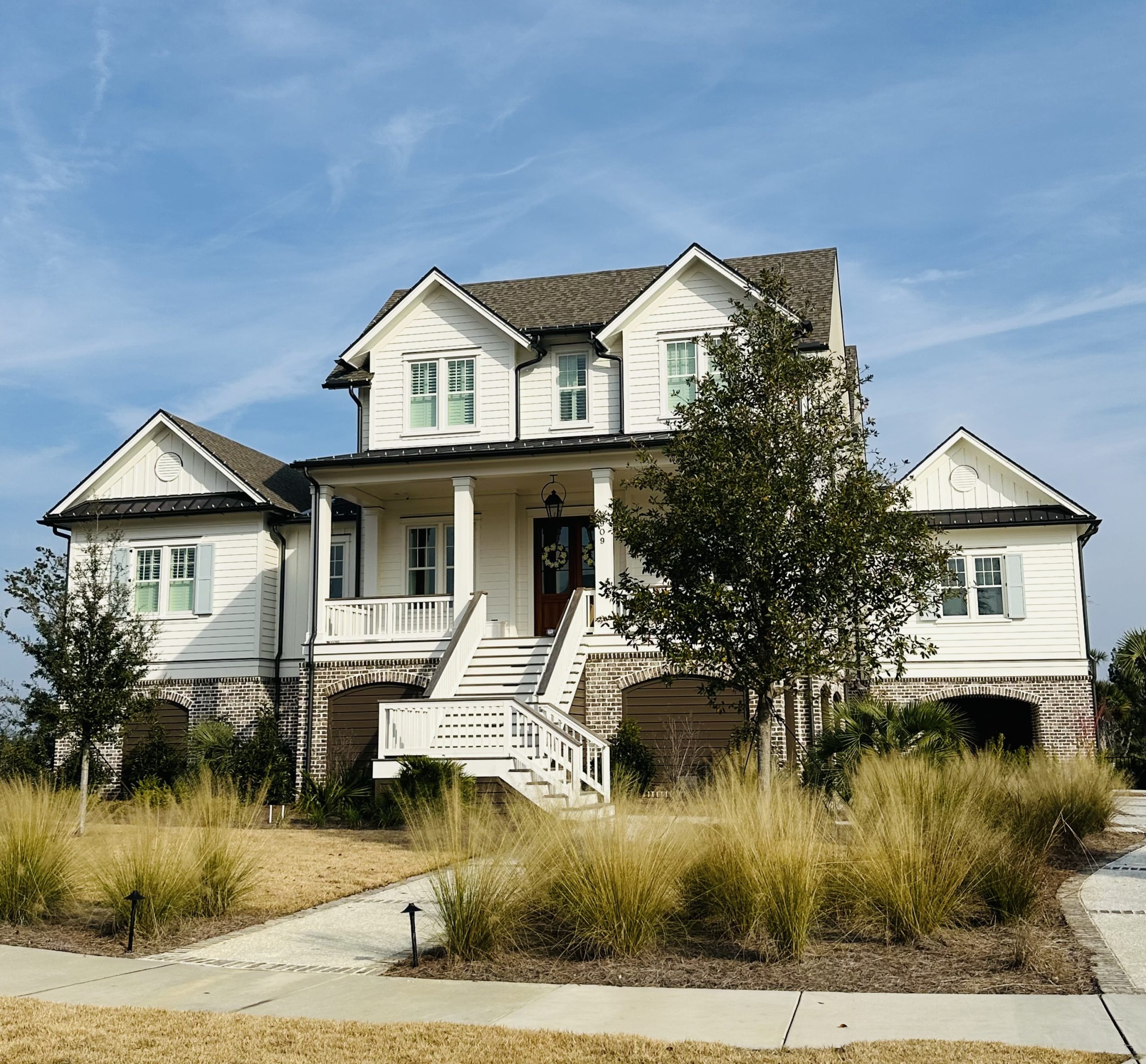
If you are considering building a custom home in Charleston—on a private parcel, waterfront lot, or within a planned community—one of your first questions will be:
“How much is this really going to cost?”
Building a custom home is a highly personal process, with costs determined by your choices. Understanding key cost components allows you to plan confidently and avoid unexpected expenses.
This guide outlines custom home pricing in Charleston and what to expect at each stage.
📊 Typical Cost Ranges in Charleston
Custom home costs are often calculated per square foot, but this represents only part of the total expense.
As of early 2026, custom home builds in Charleston generally fall within these ranges:
- Entry-Level Custom: $250–$350 per sq. ft.
- Mid-Range Custom: $350–$500 per sq. ft.
- High-End / Luxury Custom: $500–$800+ per sq. ft.
These figures include labor and materials but exclude land, site work, and certain soft costs.
Prospective builders should use square-foot pricing as a starting point, not a fixed rule.
🧱 What Drives Cost Up or Down
Several factors influence your final build price. The primary variables include:
1. Location & Lot Conditions
- Waterfront and elevated lots typically require higher preparation costs.
- Fill, grading, and soil conditions differ by site.
- Floodplain and elevation requirements may increase foundation costs.
2. Design & Complexity
- Simple rooflines and efficient floor plans are more cost-effective.
- Curved walls, vaulted ceilings, custom built-ins, and unique architectural details can significantly increase costs.
3. Size & Layout
- Larger homes have a higher total cost but may have a lower per-square-foot price. Highly customized layouts with many corners and transitions increase costs.
4. Materials & Finishes
- Material and finish selections often cause the largest cost variations—for example, quartz versus marble countertops.
- Standard cabinets vs. custom cabinetry; basic windows vs. impact-rated or oversized glass.
5. Mechanical Systems
- High-efficiency HVAC
- Smart home systems
- Generators
- Tankless water heaters
These features increase upfront costs but can enhance comfort and long-term value.
6. Permits & Impact Fees
Charleston-area municipalities have varying permit fees, impact fees, and utility connection costs, all of which contribute to the total project cost.
🏗 Breakdown of Major Cost Categories
Understanding how your budget is allocated helps you make informed decisions.
Land Purchase
Land prices vary significantly by neighborhood, proximity to water, and lot size.
Site Preparation
- Clearing trees
- Grading and fill
- Driveway installation
- Erosion control
Foundation
- Slab-on-grade — typically the most affordable
- Crawl space — common in Charleston
- Elevated piers — essential for flood-prone areas
Structure & Framing
This includes walls, roof, windows, and the basic shell. Weather-resistant materials for coastal areas often increase costs.
Interior Finishes
Flooring, cabinetry, countertops, plumbing, lighting, and fixtures are key areas for customization.
Mechanical Systems
Electrical, plumbing, HVAC, and insulation are crucial for comfort and efficiency.
Exterior Amenities
Landscaping, patios, porches, outdoor kitchens, pools, and docks add to the overall cost but are important for lifestyle-focused
homes in Charleston.
🧠 Smart Budget Planning Tips
1. Start with a Realistic Budget
Do not base decisions solely on per-square-foot estimates. A comprehensive budget should include the following:
✔ Land cost
✔ Site work
✔ Building hard costs
✔ Design & engineering fees
✔ Permitting
✔ Contingency reserve
✔ Site work
✔ Building hard costs
✔ Design & engineering fees
✔ Permitting
✔ Contingency reserve
A 10 to 15 percent contingency is standard for unforeseen conditions, especially in coastal regions.
2. Prioritize What Matters Most
Work with your architect and builder to identify essential features and areas where you can reduce costs without sacrificing quality.
3. Get Multiple Bids
Builders approach pricing and selections differently. Reviewing multiple bids allows you to compare options and negotiate effectively.
4. Understand Timing & Market Conditions
Labor and material prices fluctuate with demand. Building during slower seasons may reduce costs and improve scheduling flexibility.
📈 Custom Homes vs. Spec Homes
- Spec Homes are built on speculation with predefined finishes and layouts.
Pros: Faster delivery, somewhat predictable pricing
Cons: Limited customization - Custom Homes are built to your vision, on your lot, with your materials.
Pros: Personalized design and finishes
Cons: Longer timeline and more planning
Both options have advantages, but custom homes offer greater control and better alignment with your lifestyle goals.
🏁 Final Thought
Is building a custom home in Charleston worth it?
For many buyers, the answer is yes, especially when:
✔ They find the right lot
✔ They partner with experienced local builders
✔ They plan with realistic budgets and timelines
✔ They understand Charleston’s coastal considerations
✔ They partner with experienced local builders
✔ They plan with realistic budgets and timelines
✔ They understand Charleston’s coastal considerations
Custom homes are a significant investment, but when done well, they provide a residence tailored to your needs and vision.
If you are considering a custom build near Charleston, whether a luxury estate, marshfront property, or Lowcountry retreat, I would be happy to discuss specific cost scenarios and builder options with you.
Ready to Explore Custom Home Opportunities?
Contact me for a personalized consultation. Together, we will develop a plan that fits your goals, from land acquisition to final finishes. Visit luxuryhomeandland.com
